
Your Guide to Choosing the Perfect Packaging Box Handle
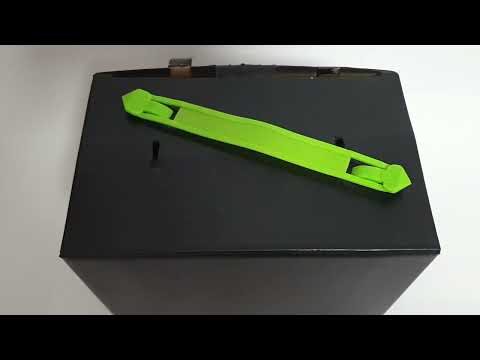
A packaging box handle is your built-in grip for hassle-free carrying. It’s often a cutout, a taped-on plastic or ribbon loop, or a sturdy punch-through slot that lets you lift and tote the box without hugging the sides. By distributing the weight of the contents into your hand, it makes transporting everything from gift boxes to moving cartons much more comfortable. To use one, simply slide your fingers through the opening or grab the attached loop, then lift straight up for a secure, balanced load.
Ergonomic Grip Design for Carrying Comfort
The worn cardboard handle cut into his palm with each step, a familiar sting that turned a simple delivery into a chore. A properly designed ergonomic grip would have changed that entirely, with a contoured curve that spreads the load across the muscle pads of the hand rather than digging into the soft tissue. A thicker, cushioned pad atop the box handle prevents that pinching pressure, while a slight texture on the surface gives fingertips purchase without slipping. It is the subtle flare at the handle’s end that truly halts the box’s slide, transforming a precarious carry into a balanced, effortless lift. For the delivery driver navigating a block of apartments, that one piece of molded plastic means the difference between a strained wrist and a steady, comfortable hold, allowing him to focus on the route instead of his aching fingers. The box becomes just a box again, not a test of endurance.
Evaluating Handle Shapes for Hand Fatigue Reduction
When evaluating handle shapes for hand fatigue reduction on a packaging box, the goal is to spread pressure across the hand’s natural padding instead of digging into the palm. A rounded, contoured shape conforms to your grip better than a sharp edge, which creates painful pinch points. For optimal comfort, look for ergonomic grip contours that prevent your fingers from curling into a cramped position. Here’s a simple sequence to test designs:
- Hold the handle for 30 seconds to check for immediate pressure spots.
- Flex your fingers to see if the shape allows a relaxed grip.
- Shift the box’s weight to identify if the handle handle for box digs in during movement.
A wider, slightly flattened oval shape often beats a narrow cylinder because it distributes the load across the palm’s fleshy base, reducing strain during repeated carries.
Textured vs. Smooth Surfaces: Grip Security in Wet Conditions
When a box handle gets wet, a smooth surface turns dangerously slick, making the box hard to control. Textured surfaces provide crucial grip security in wet conditions by channeling water away and maintaining friction against your palm. Even light rain can turn a polished handle into a liability, so soft rubberized dots or ridges are far safer for carrying drinks or produce. For packaging, a subtle crosshatch pattern offers reliable traction without feeling rough, ensuring your hold stays firm when damp. Avoid shiny finishes for any handle expected to face moisture, as they compromise control entirely.

Weight Distribution and Balanced Load Mechanics
Effective weight distribution in a packaging box handle relies on centroid alignment, where the handle’s attachment points sit directly above the box’s center of gravity. Balanced load mechanics require the handle’s width to match the box’s lateral mass spread, preventing torque that causes tilting. Dual-plane load stabilization is achieved when the handle’s pivot axis aligns with the box’s vertical axis, distributing force evenly across the palm. Offset loads demand asymmetrical handle anchoring to counteract unequal weight vectors, minimizing muscular tension during carry.
Weight distribution and balanced load mechanics ensure the handle transfers load vertically without rotational stress, maintaining stable horizontal alignment during transport.
Material Choices That Influence Durability and Cost
The handle’s material directly dictates both its load-bearing lifespan and production expense. Plastic handles, like polypropylene, offer low cost but become brittle under UV exposure or in freezing temperatures, failing after repeated heavy use. Metal handles, such as steel wire with a vinyl coating, cost significantly more but resist cracking and can support far greater weight without deforming. For a balance, a thick, molded nylon handle provides high durability and smooth ergonomics at a mid-range price. Question: Does a cheaper plastic handle always reduce total box cost? Answer: No, because higher replacement rates and potential product damage from a broken handle can exceed the savings of a fragile, low-cost material. Choose based on the expected weight and handling cycle, not just upfront price.
Recycled Cardboard Integrated Handles for Eco-Friendly Boxes
Recycled cardboard integrated handles eliminate the need for separate plastic or ribbon components, directly cutting material costs while boosting structural cohesion. The handle is die-cut directly into the box blank, requiring precise perforation to ensure the flap bears weight without tearing. This design relies on corrugated fluting orientation; vertical fluting along the handle path provides maximum tensile strength for carrying loads up to several kilograms. The result is a fully recyclable unit that reduces assembly labor and maintains cost-effective durability through integrated handle design.
Recycled cardboard integrated handles offer a mono-material solution where the box itself becomes the carrying mechanism, balancing eco-friendliness with practical strength for lightweight retail packaging.
Injection-Molded Plastic Options for Heavy-Duty Use
For heavy-duty box handles, injection-molded fiber-reinforced nylon delivers exceptional tensile strength, resisting snap under shifting loads that would crack standard polypropylene. Add impact-modified ABS for handles enduring repeated warehouse drops, as its higher flexural modulus maintains grip integrity without permanent deformation. Polycarbonate blends further optimize performance, offering UV stability for outdoor storage while remaining cost-sintered against metal alternatives. These materials permit complex ergonomic designs with integrated ribbing, distributing stress across the handle’s anchor points.
Cotton Webbing vs. Nylon Straps: Strength and Aesthetics
For box handles, nylon straps offer superior tensile strength and resistance to fraying, making them ideal for heavy-duty or frequent transport. However, their glossy, synthetic sheen can feel utilitarian. Cotton webbing provides a softer, tactile experience and a natural, matte texture that elevates perceived quality, though it sacrifices some durability under repeated stress and moisture. The choice hinges on prioritizing rugged longevity versus refined aesthetics. Cotton webbing vs. nylon straps also impacts hand feel: cotton warms and conforms, while nylon remains slick and cool. Which material offers better UV resistance for long-term storage? Nylon, with its synthetic composition, resists fading and degradation from sunlight far better than natural cotton fibers, which can weaken and discolor over time.
Reinforcement Methods for Tear-Prone Cutout Handles
For packaging box handles, tear-prone cutout areas often need reinforcement to avoid splitting under weight. A common method is adding a reinforced paperboard or plastic patch bonded around the cutout, distributing stress. Alternatively, a folded-over edge or glued-in fabric tape can strengthen the pull zone. Q: What’s the quickest fix for a weak cutout handle? A: Apply a self-adhesive clear plastic reinforcement ring directly over the hole. Heat-sealing a thin polymer layer to the cutout edges also prevents tearing during use. These practical reinforcements keep the handle functional without changing the box’s structure.
Adding Laminated Layers to Prevent Ripping Under Stress
Adding laminated layers reinforces the cutout handle by bonding a secondary sheet of material, such as Kraft paper or polypropylene, directly over the stress zone. This process creates a stress-distributing composite structure that prevents localized tearing. The additional layers share the tensile load across a wider area, reducing peak strain on the single-thickness substrate. For effective application:
- Align a pre-cut laminate patch precisely over the handle aperture.
- Apply adhesive evenly using a roller to eliminate air pockets and ensure full contact.
- Allow sufficient dwell time under pressure for the bond to cure before handling.
The result is a robust handle capable of supporting heavier contents without material failure.

Using Metal Grommets to Protect Die-Cut Holes
For die-cut handles in corrugated or paperboard packaging, metal grommets provide structural reinforcement by displacing stress from the cut edge. The grommet’s flared barrel compresses the board’s fibers, preventing the handle hole from tearing under load. This method is ideal for heavy contents, as the metal ring distributes force uniformly around the aperture. For optimal protection, choose a grommet with an inside diameter matching your handle’s clearance and an outer flange wide enough to grip the substrate firmly.
| Grommet Type | Application |
|---|---|
| Brass or steel | High-weight boxes (e.g., tools, beverages) |
| Mild steel or aluminum | Standard retail packaging |
Stitching Patterns for Fabric or Ribbon Attachments
A boxed X-stitch pattern provides the highest tear resistance for fabric handle attachments by distributing load across four anchor points. A parallel bar-tack stitch, repeated twice at each attachment zone, prevents ribbon fraying at the cutout edge. The zigzag stitch offers controlled elasticity, reducing stress concentration on the handle slot. For optimal package handle reinforcement sewing patterns, stitch length should not exceed 2mm to maximize puncture density.
- Boxed X-stitch: four-point load distribution prevents linear tearing at the cutout edge.
- Parallel bar-tack: double-stitch placement at attachment points resists ribbon shear under weight.
- Zigzag stitch: controlled tension absorption reduces fatigue on the handle slot material.
- Short stitch length (1.5-2mm) increases thread density for higher tear threshold in fabric attachments.
Customization for Branding and Product Unboxing
Custom packaging box handles transform a standard container into a tactile branding asset. By imprinting your logo, tagline, or signature color directly onto the handle material—whether woven ribbon, die-cut cardboard, or molded plastic—you create a seamless brand moment before the box is even opened. This physical interaction reinforces identity, making the carry itself an advertisement. For unboxing, a custom handle can act as a pull-tab that initiates the reveal, integrating visual hierarchy with practical function. Choosing a textured or uniquely shaped handle elevates perceived value, turning a mundane logistic element into a deliberate, memorable touchpoint that primes the customer for the product inside.
Embossed Logo Placement on Surface-Mounted Grips
For surface-mounted grips on packaging box handles, embossed logo placement requires precise alignment to avoid interfering with the grip’s tactile function. Positioning the embossment near the central pad of the grip, rather than the edges, ensures consistent pressure during unboxing. Optimized embossed branding on surface-mounted grips uses a raised depth of 0.3–0.5 mm to maintain clear definition without compromising user comfort. The logo’s orientation should match the handle’s vertical axis to prevent torque when lifting.
- Center the embossed logo to avoid stress points near fastener zones
- Maintain 2 mm margin from grip perimeter to prevent edge cracking
- Use matte finish on raised areas to reduce glare in product photography
Color-Coordinated Handles to Match Seasonal Packaging
Swapping standard handles for seasonal color-coordinated handles instantly aligns your box with holiday or limited-edition packaging. For Valentine’s Day, choose soft pink or red cotton webbing; during autumn, switch to burnt orange or gold satin ribbons. This small detail makes the unboxing feel intentional, turning a plain cardboard box into a curated gift. The handle’s hue should subtly echo your packaging’s accent color, not compete with it. Coordinated handles also help customers spot seasonal editions at a glance, making reorders simpler.
Color-coordinated handles transform seasonal packaging into a cohesive visual experience, strengthening brand recognition through a tactile, purposeful detail.
Removable Handle Inserts for Multi-Use Gift Boxes
Removable handle inserts transform a standard gift box into a versatile, reusable carrier. Instead of a fixed handle, a die-cut slot holds a separate handle piece—often made of twisted paper, rope, or ribbon—that the recipient can remove after unboxing. To use, you simply insert the pre-cut handle through the box’s slots, creating a secure tote. After the gift is removed, the handle piece can be detached, leaving a clean, flat box for storage. This design allows one box to switch between a gift presentation and a practical organizer. For a clear sequence:
- Slide the handle ends into the box’s pre-cut slots.
- Secure the handle by tying a knot or locking the ends inside.
- Remove the handle after unboxing to repurpose the box.
Regulatory and Safety Guidelines for Retail Packaging
When adding a rigid handle to retail packaging, safety guidelines focus on load limits and edge sharpness. Any handle must be tested to prevent tearing under the product’s weight, typically using a static load test.
If the handle has cutouts or punched holes, ensure no sharp edges remain that could cut a shopper’s fingers.
Avoid using handles that pop free under stress, as this creates a tripping hazard. For handles attached via slots, the cardboard thickness must support the handle’s weight without collapsing. Always include clear “do not lift from handle alone” warnings if the box contains delicate internal inserts.
Load Capacity Standards for Child-Safe Designs
Load capacity standards for child-safe designs in packaging box handles require a maximum weight threshold that prevents structural failure under a child’s typical pull force. Handles must support at least 15 kg (33 lbs) to avoid detachment during normal use, yet remain the weakest link to break at loads exceeding 25 kg, reducing strangulation and entrapment risks. Handle load limits are tested with static and dynamic force simulations mimicking a child’s abrupt tugging. Materials must resist permanent deformation below the safe threshold. Load ratings are clearly marked or reinforced through die-cut geometry to ensure the handle fails predictably—tearing neatly without sharp edges—before the carton collapses.
- Minimum safe load capacity: 15 kg to prevent handle breakage during routine child handling.
- Maximum breakaway force: 25 kg to ensure handle detaches before causing entanglement.
- Failure mode: clean tear without sharp edges or fragments.
- Testing: static 10-second hold plus dynamic drop from 1 meter to verify consistent load response.
Sharp Edge Compliance in Die-Cut Openings
Sharp edge compliance in die-cut openings requires that all cut edges forming the handle hole are smooth and burr-free to prevent finger lacerations during use. A radius of at least 3mm is typically applied to every corner of the die-cut opening to eliminate sharp points. To ensure safety, manufacturers use rounded steel rule dies and perform a crush-cut technique, which compresses the board fibers. A critical check involves running a gloved finger along the entire perimeter of the opening. The sequential steps for verifying compliance include:
- Inspecting die tooling for chipped or worn blades.
- Verifying that the cut edge smoothness meets a 0.1mm maximum burr height.
- Testing the opening with a calibrated force gauge to ensure no sharp protrusions catch on standard test fabric.
Flammability Restrictions for Synthetic Strap Materials
Synthetic strap materials used for packaging box handles must adhere to strict flammability restrictions for synthetic strap materials to minimize fire risk during transport and storage. These regulations typically mandate a maximum burn rate, often requiring self-extinguishing properties within a specified time after ignition. Compliance is verified through standardized tests, such as the vertical burn test, which measures flame spread and dripping behavior. Polyester and nylon straps often require flame-retardant additives to meet these thresholds, while polypropylene may need thicker gauges to reduce burning velocity. Non-compliant straps can melt or sustain combustion, posing hazards in retail environments.
- Ensure straps pass a vertical burn test with a burn rate under 4 inches per minute.
- Use only flame-retardant-treated materials if the strap composition is inherently combustible.
- Verify that dripping molten material does not ignite cotton batting (a common test substrate).
Space Optimization Through Foldable or Retractable Handles
Foldable or retractable handles in a packaging box handle design dramatically improve space optimization by eliminating the permanent protrusion of traditional handles. When not in use, the handle tucks flush against the box surface, allowing the packaging to form a perfect rectangular prism. This eliminates wasted air gaps during palletizing and shipping, as boxes can be stacked edge-to-edge without handle interference. For storage, retractable handles reduce the overall footprint of empty boxes, enabling higher density packing in warehouses. The mechanism itself is typically a recessed cutout with a pivoting strap, which when deployed, provides a comfortable grip without sacrificing internal box volume. This design ensures the handle adds no bulk to the package’s external dimensions, directly contributing to more efficient container loading and shelving.
Flush-Mounted Slots for Efficient Pallet Stacking
Flush-mounted slots let you stack boxes without handle protrusions messing up your pallet columns. These recessed cutouts keep the box face perfectly flat, so weight transfers straight down instead of through a handle that might buckle or snap. Efficient pallet stacking happens because each box sits flush against the one below, stopping dangerous wobbles and wasted vertical space. You simply grab the slot’s edge to lift, then stack high without gaps or crushed handles. No more “jigsaw puzzle” arranging—just clean, stable layers that maximize every inch of pallet height.
Tuck-Away Ribbon Loops for Minimalist Shelf Display
Tuck-away ribbon loops transform packaging boxes into clean, minimalist shelf displays by hiding the carrying handle flush against the surface. A thin fabric or satin ribbon is secured inside a shallow die-cut channel, allowing it to lie flat when not in use. For display, the loop remains invisible, preserving a seamless exterior. When a customer needs to carry the box, they simply lift the ribbon from its recessed slot. This system eliminates protruding plastic or metal handles, ensuring the box maintains a sleek, retail-ready profile without sacrificing portability.

Tuck-away ribbon loops provide a retractable, flush-mounted handle that maintains minimalist shelf aesthetics while enabling convenient carrying when needed.
Snap-On Clip Systems for Detachable Carrying Aids
Snap-on clip systems enable a handle to be detached from the packaging box entirely by pressing a release tab. This eliminates protruding handles during stacking and shipping, maximizing pallet space. The user attaches the handle via quick-release carrying aid clips only when needed for transport. The typical sequence is:
- Align the handle’s clip receptors with the box’s mounting slots.
- Press the handle downward until the clips audibly snap into place.
- To detach, squeeze the clip releases and lift the handle free.
This system allows one handle to be used across multiple boxes, further reducing storage volume.
Sustainability Trends in Handle Production
Sustainability trends in handle production now focus on using recycled plastics or rapidly renewable materials like bamboo fiber for packaging box handles. These new materials feel smooth and strong, just like traditional plastic. Q: Are recycled handles as durable? A: Yes, modern processing ensures they withstand the same weight without snapping. Designers also reduce material use by making handles thinner yet reinforced, cutting waste. Another shift is toward detachable handles with natural cord, so the box and handle can be recycled separately without contamination. This makes the whole package easier to toss in the right bin.
Biodegradable Bioplastics for Compostable Box Solutions
Biodegradable bioplastics from sources like corn starch or PLA offer a truly compostable handle solution for packaging boxes. These materials break down in industrial composting facilities, leaving no toxic residue. The handles provide sufficient tensile strength for carrying standard loads, matching traditional plastics in durability during use. For optimal performance, ensure the bioplastic handle is attached with a compatible compostable adhesive, creating a fully compostable box handle system. This guarantees that the entire box and handle assembly can proceed to industrial composting without requiring separation, closing the loop on packaging waste effectively.
| Aspect | Biodegradable Bioplastic Handle |
|---|---|
| Source Material | Corn starch, PLA, or PHA |
| End of Life | Industrial composting (e.g., 60–90 days) |
| User Strength | Equivalent to standard plastic handles for typical loads |
| Disposal Simplicity | Entire box + handle can be composted together |
Upcycled Fabric Scraps as Low-Impact Carry Straps
Upcycled fabric scraps are repurposed textile remnants, cut and stitched into carry straps for packaging boxes, avoiding virgin material use. These straps offer waste-reducing handle integration by weaving or braiding strips for tensile strength. Unlike synthetic webbing, fabric scrap straps provide a soft, non-abrasive grip and distribute weight evenly, reducing hand strain. Their low-impact benefit stems from zero new production energy; only cutting and sewing are required. The strap’s durability depends on scrap fiber composition—cotton or denim yields higher load capacity than thin synthetics. This approach directly diverts post-industrial textile waste from landfills while delivering functional, comfortable box handles.
Water-Based Adhesives in Handle-to-Box Bonding
Water-based adhesives provide a potent, low-odor bond for handle-to-box attachment, replacing solvent-based formulas with a safer, non-flammable solution that cures rapidly under pressure. This chemistry penetrates porous cardboard and handle materials like paper rope or cotton webbing, creating a durable fiber-tearing lock without emitting volatile organic compounds. The result is a robust, flexible joint that withstands weight stress during transit without compromising recyclability. Water-based handle bonding eliminates toxic fumes in production areas while maintaining full integration with standard automated applicators, requiring only routine viscosity checks to ensure consistent wet-out and immediate tack.
- Activates quickly at room temperature, allowing faster production line speeds for handle insertion
- Resists moisture creep, preventing handles from detaching in humid storage or cold shipping conditions
- Leaves no residue interference with box recyclability, as the adhesive breaks down cleanly in repulping systems